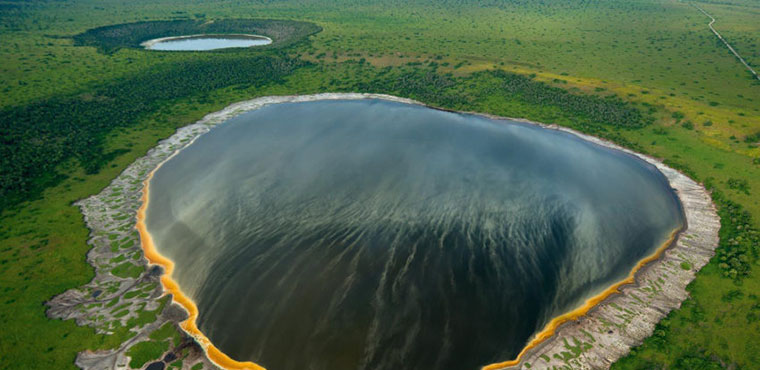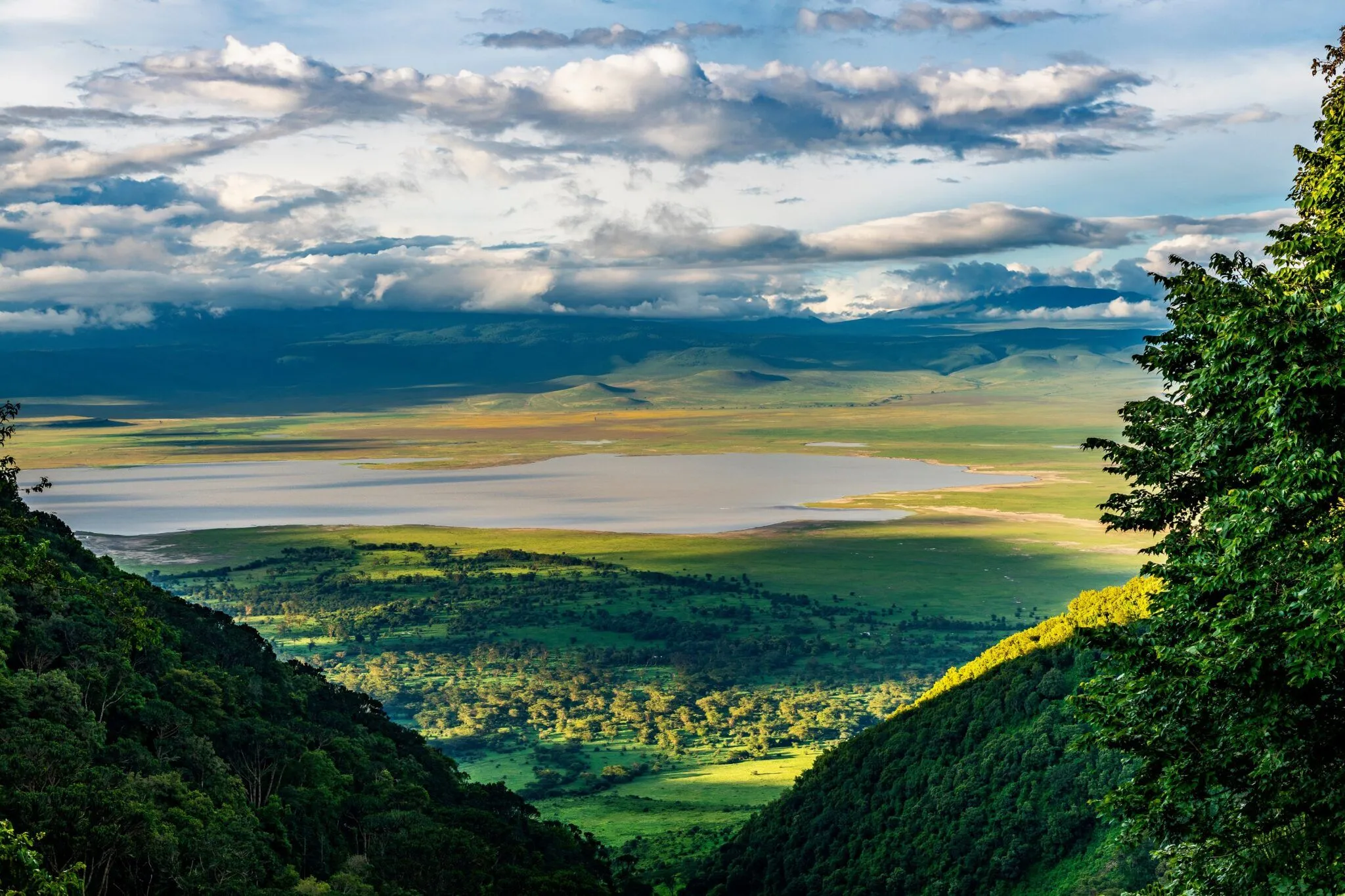
Ngorongoro is Tanzania's crown jewel, a UNESCO World Heritage Site featuring the world's largest intact volcanic caldera. This 12-mile-wide "African Eden" cradles an extraordinary ecosystem where over 25,000 large animals roam freely across grasslands, acacia forests, and soda lakes.
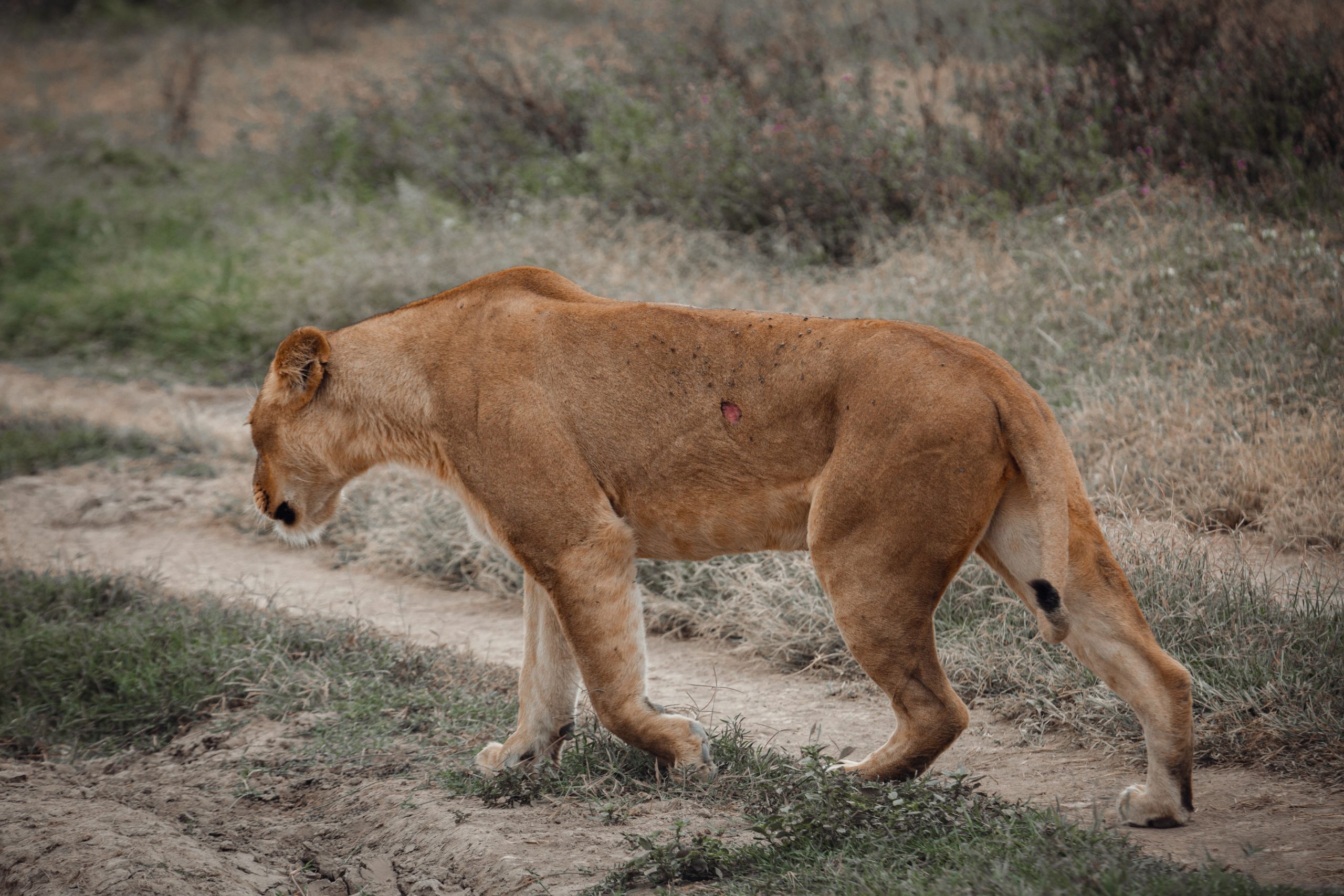
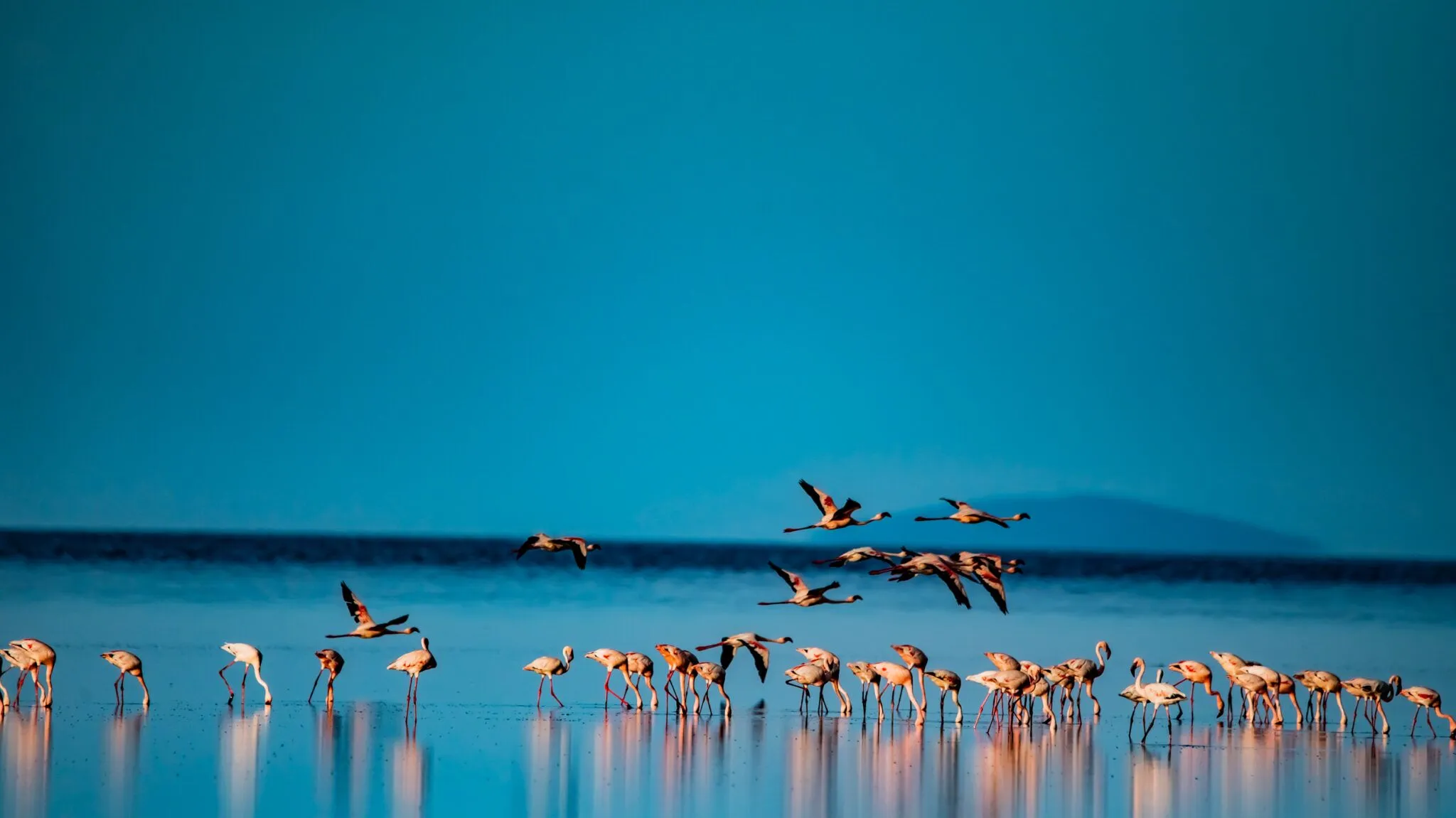
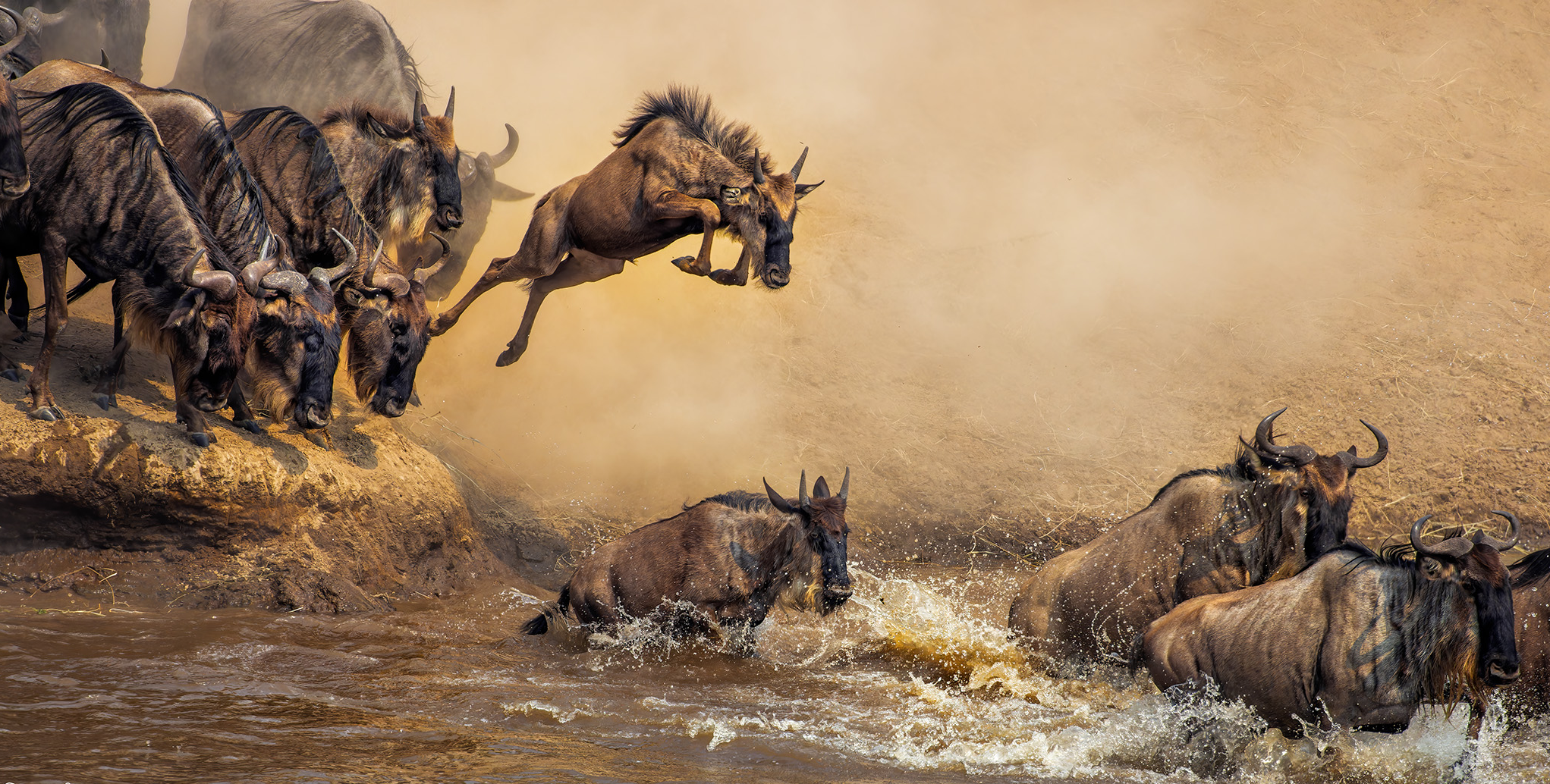
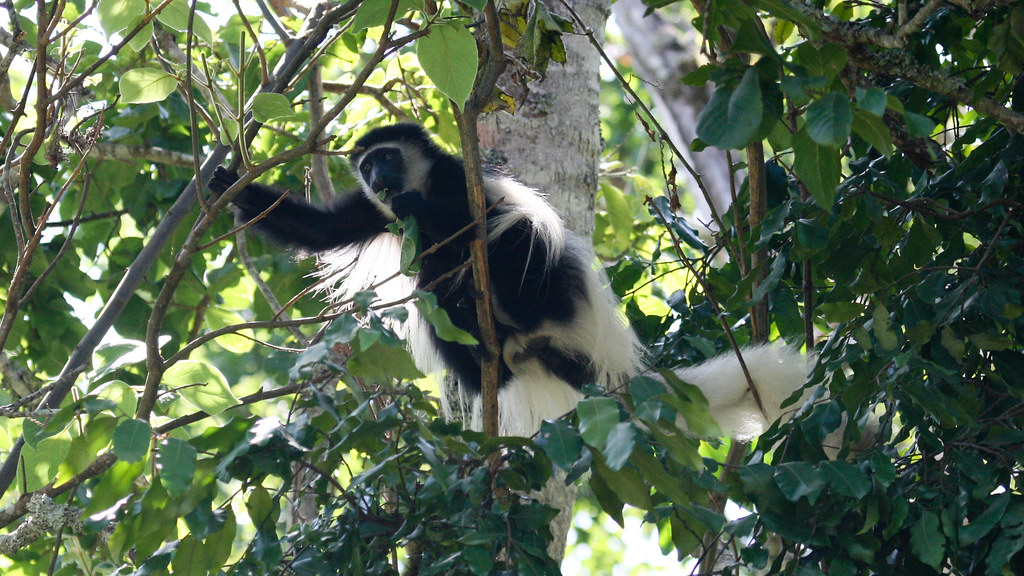
The crater floor teems with wildlife year-round: massive elephant herds, endangered black rhinos, lions, leopards, cheetahs, and vast wildebeest migrations. Lake Magadi attracts thousands of pink flamingos, creating stunning natural spectacles against the crater walls.
Beyond wildlife, Ngorongoro holds profound cultural significance as home to the Maasai people, who graze their cattle alongside wild animals in this unique conservation area. Archaeological sites like Olduvai Gorge nearby reveal humanity's earliest footprints.
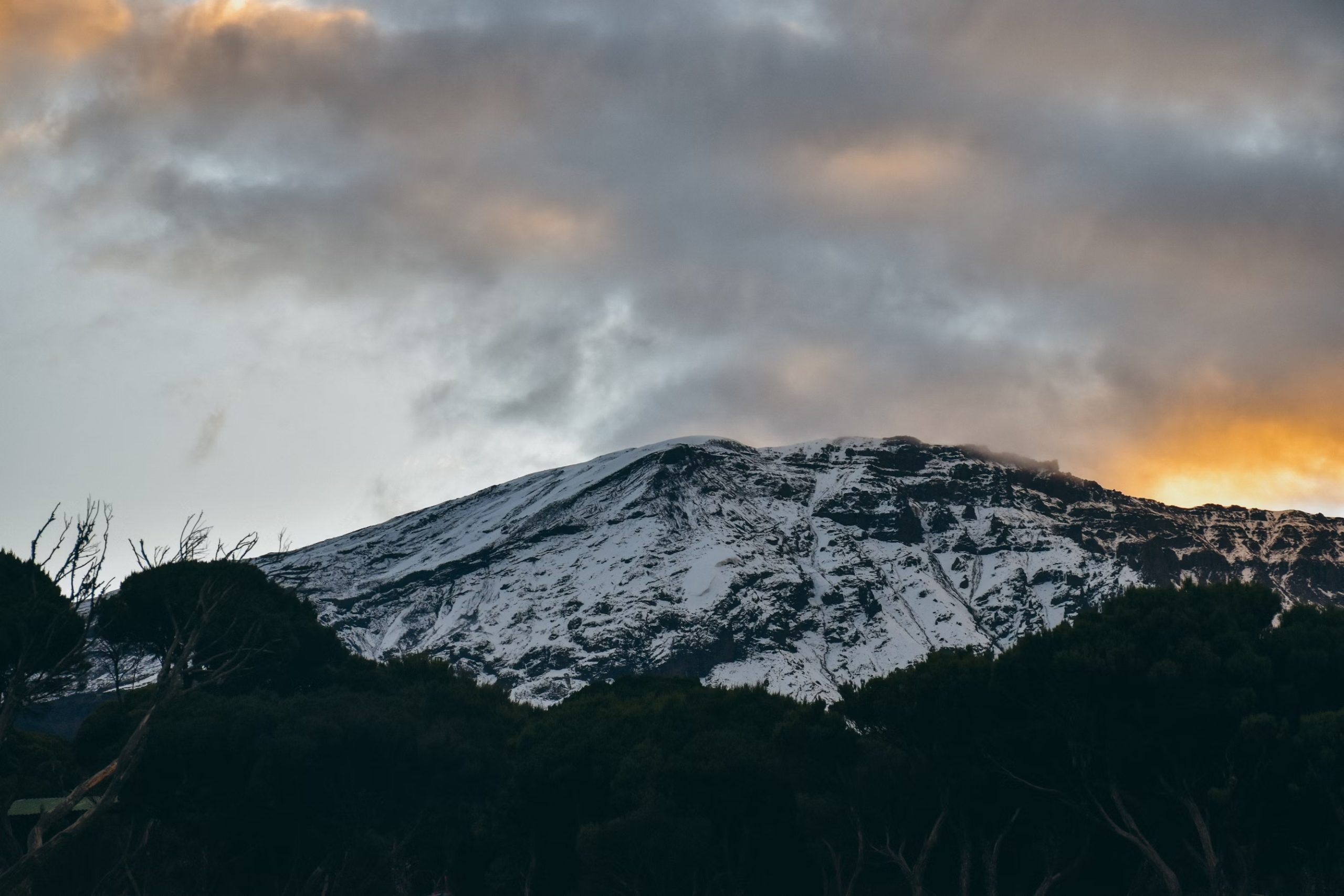
The rim offers breathtaking panoramic views from luxury lodges perched 2,000 feet above the crater floor. Weather ranges from cool mornings with misty highlands to warm afternoons perfect for game drives.
Ngorongoro represents conservation success—a self-contained ecosystem where predators and prey maintain natural balance. The crater's isolation has created a natural sanctuary where visitors witness Africa's Big Five in their pristine habitat.
This geological wonder combines dramatic landscapes, unparalleled wildlife density, and cultural heritage, making it one of Africa's most remarkable destinations where ancient volcanic forces created a modern-day Garden of Eden.
Overview
| Ngorongoro |
Ngorongoro |
| Tanzania |
|
|
|
|
|
Map